

Behind the Magic: How We Build Interactive Portraits
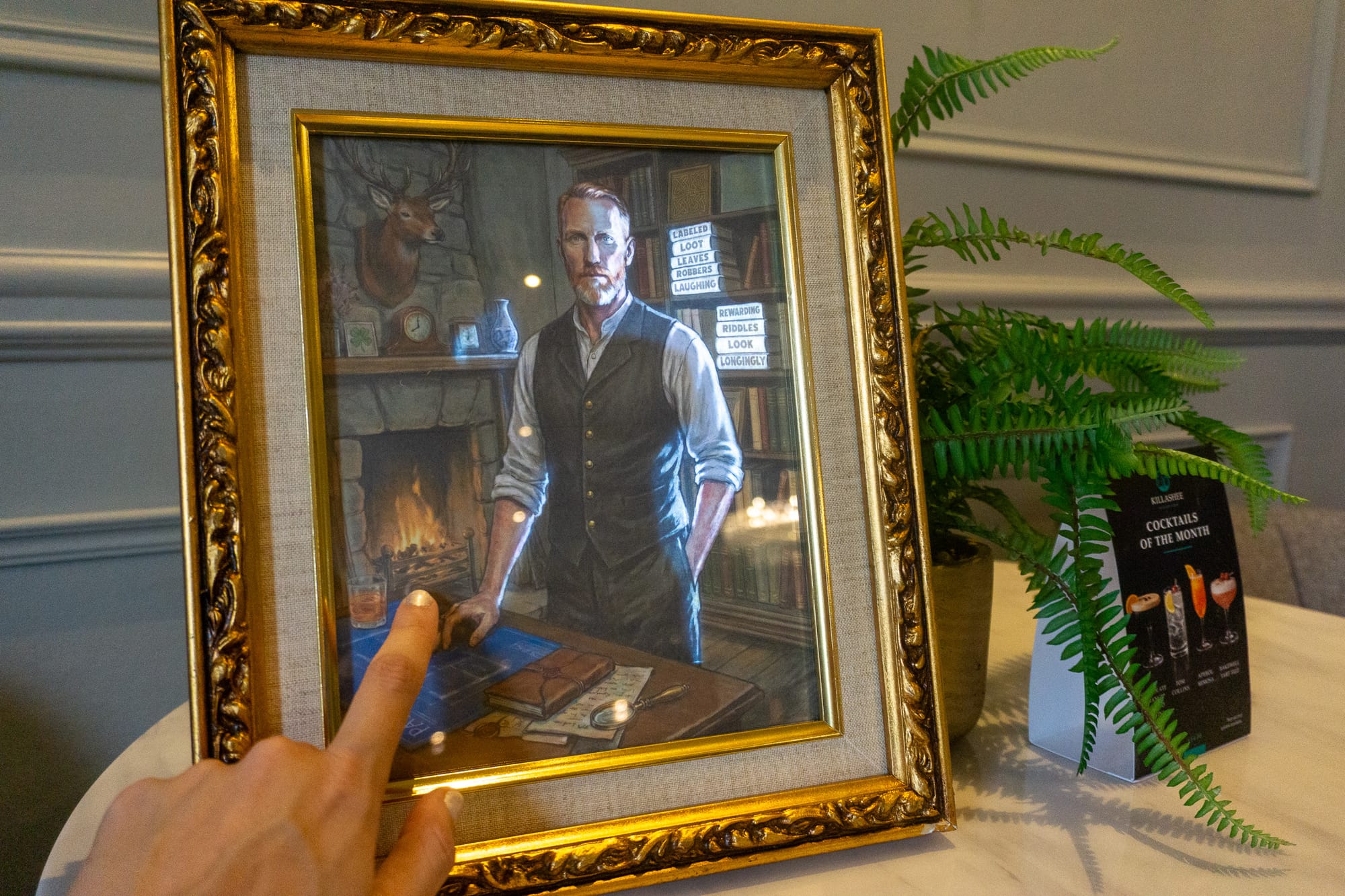
At Handstand, we obsess over ‘the reveal’. The moment something you’ve seen many times suddenly becomes something else entirely! In our scavenger hunts, this could be a piece of art you’ve commuted past but never noticed. In our escape rooms, it could be when a mounted portrait hanging in the lobby suddenly lights up and starts talking to you! One of our best tools for creating that moment is our interactive portraits.
Where the Interactive Portraits Started
They're not only some of our favorite props we design, but they're also some of the oldest ideas in Handstand's inventory. They go back to Jazz Heist, our very first escape room production, where we called them "Smokey portraits", named after our first ever character, Smokey Thompson.
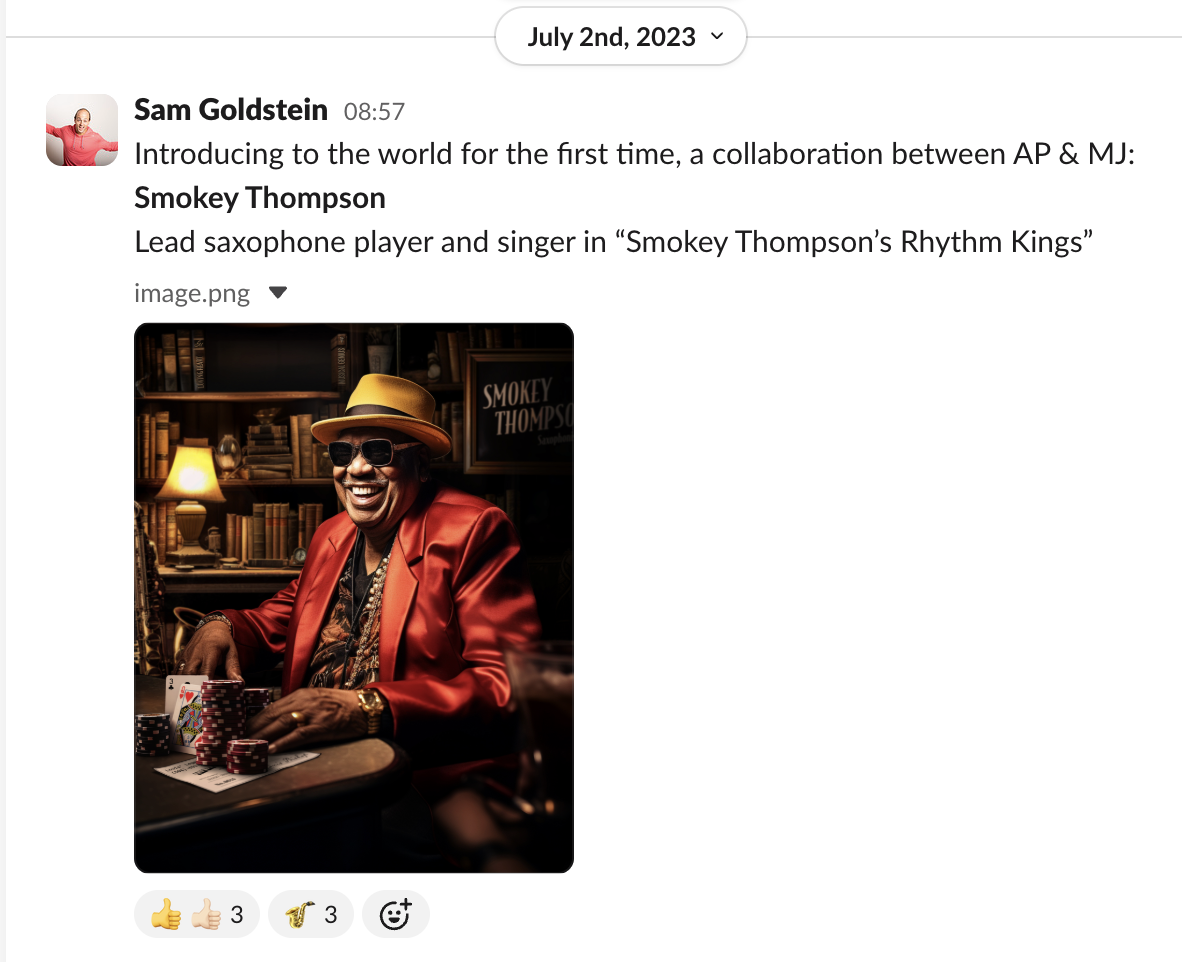
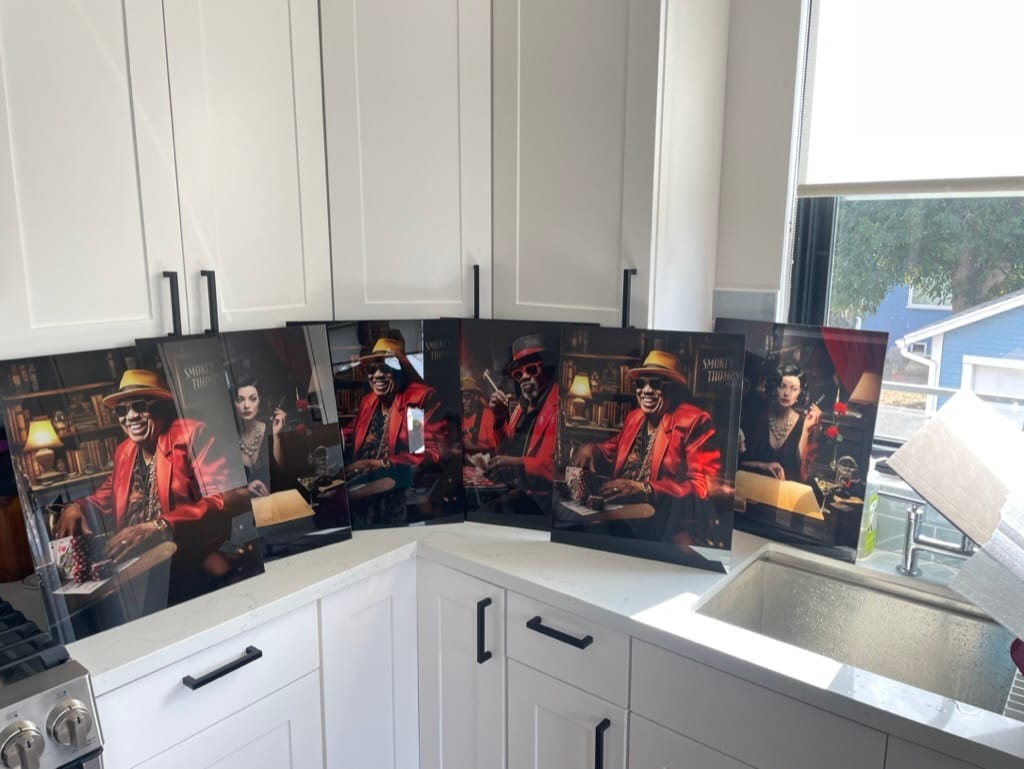
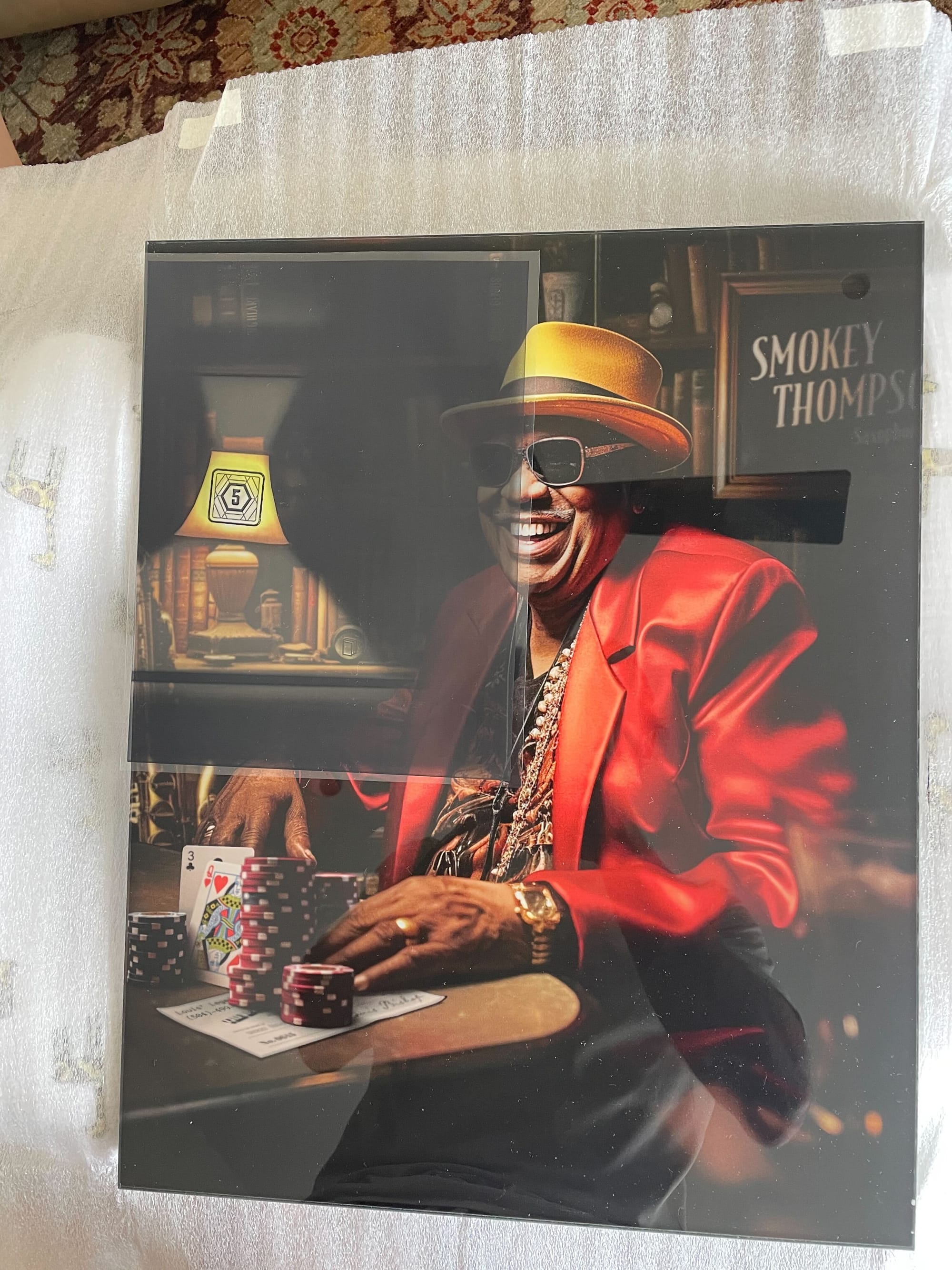
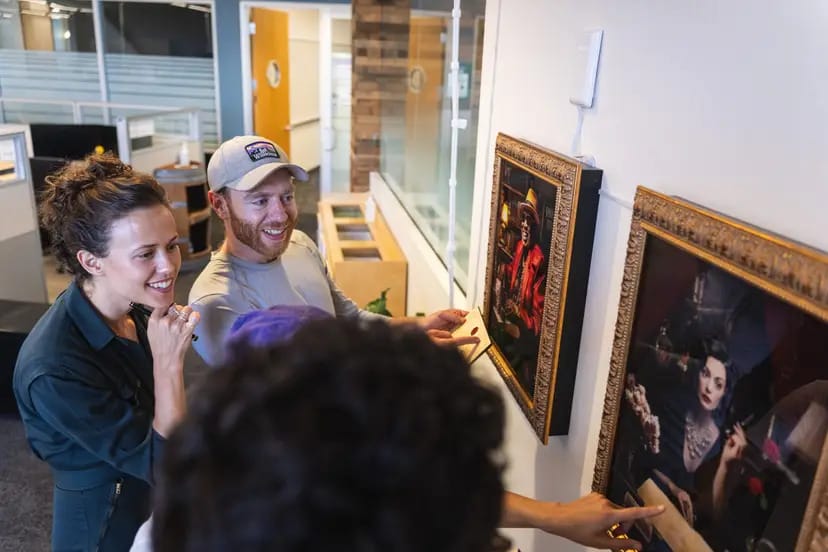
The concept has evolved considerably since then, (e.g., we made another version for our Journey to Jidara escape room), but the core idea is still the same: beautiful interactive art.
The latest versions are three character portraits that we built for Invitation Only, created for Northslope Technologies' company offsite in Ireland. These three are the most fully realized iteration of our idea.
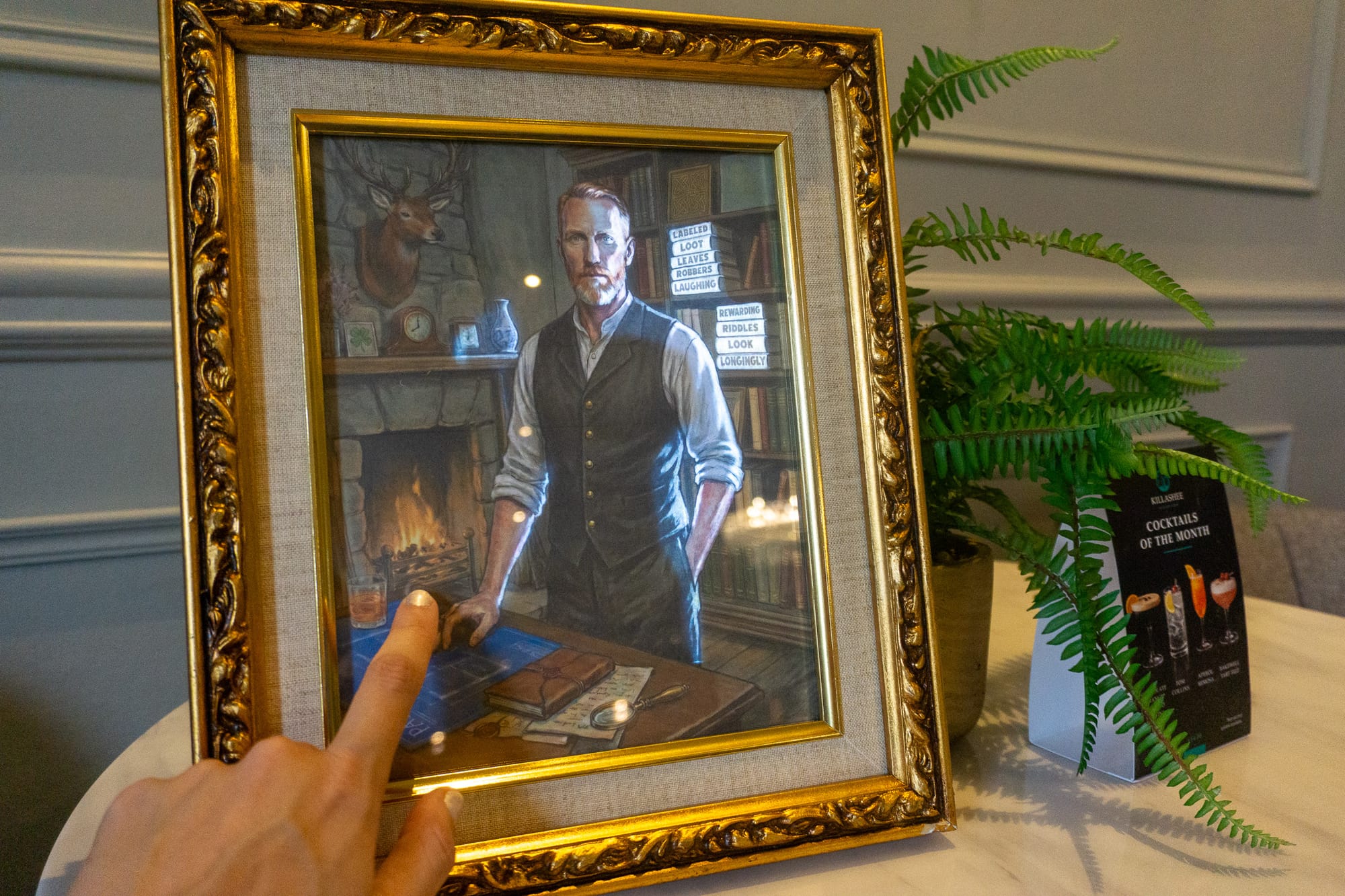
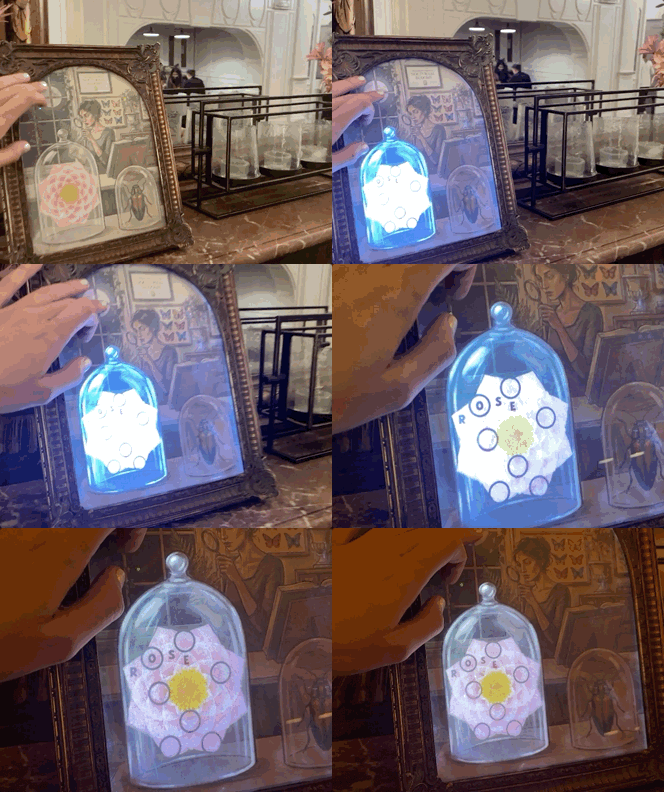
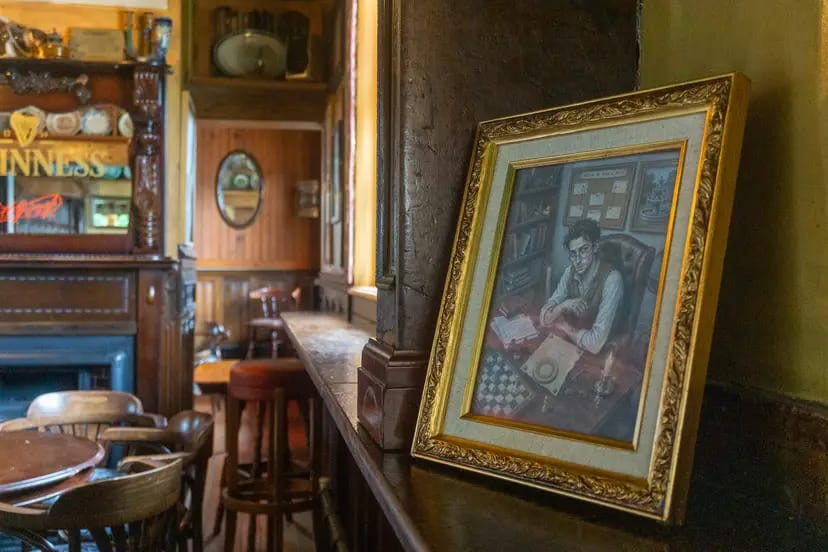
The 3 final portraits for the Colonel, the Botanist, and the Cryptographer, who were Invitation Only's main characters.
It's worth breaking down exactly how we designed and built them, because the design philosophy that drove every decision is the same one we apply to every immersive activation we make. And we think it's super interesting to share!
The Three Tiers of Engagement
When we spec a prop, we're not just thinking about what it does. We're thinking about how it meets people at different moments in the experience.
For the portraits, we designed three distinct tiers.
Tier 1: Blend In
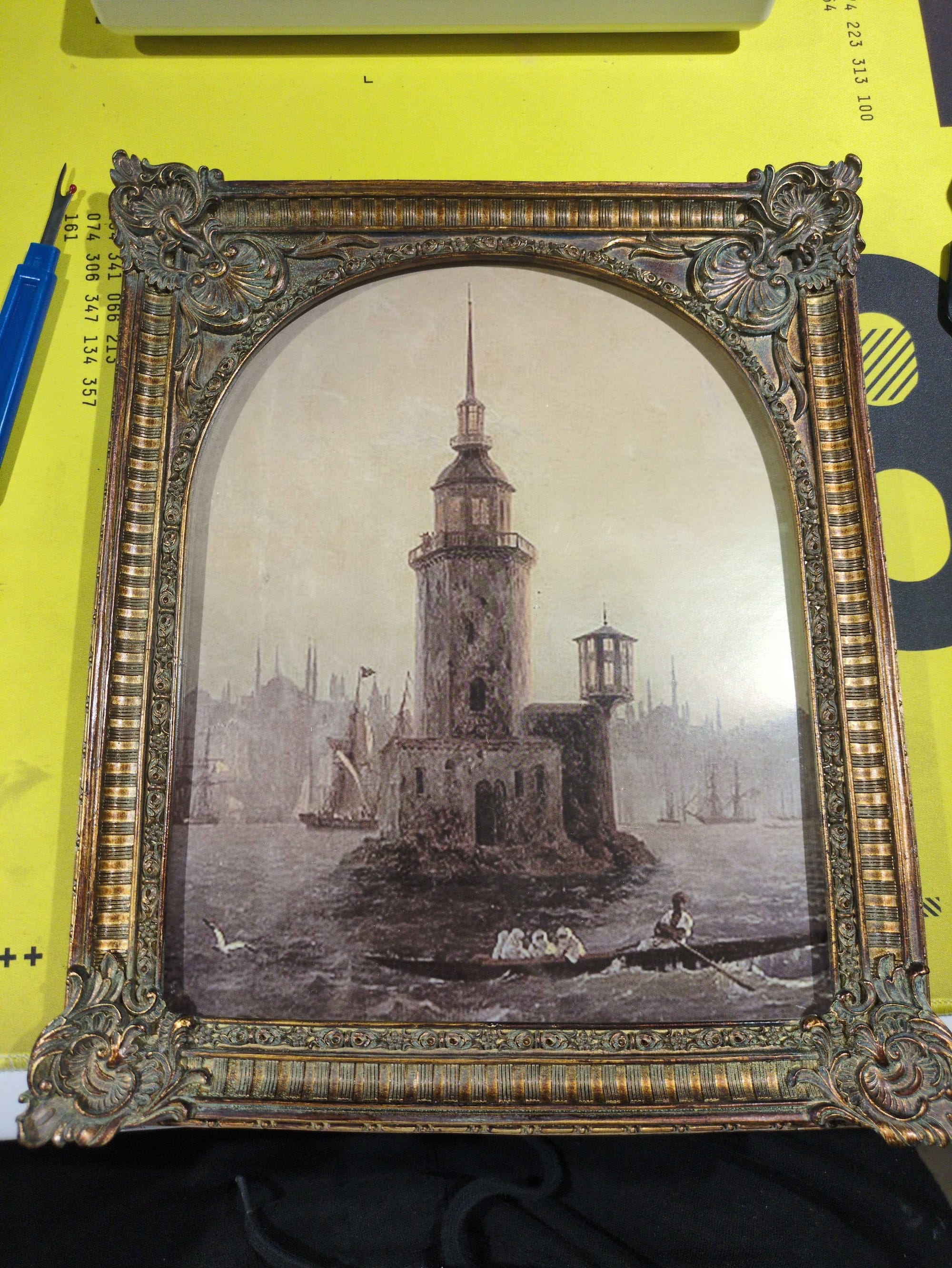
The portraits needed to look like they belonged among the historic decor at the hotel and that they'd always been there. To fit that image, we sourced antique Celtic-style frames on eBay, commissioned art that matched the aesthetic of the property, and placed them around the property before any of the employees arrived.
The test: would a hotel staff member walking by stop and look twice? We got our answer when a member of the Killashee team told us she'd walked past them multiple times before the event and hadn't thought anything of them. That was exactly the goal.
Tier 2: Reward Scrutiny
Once a player approaches, the portrait should offer them something as part of the game. Words tucked into a painting, objects arranged in a specific way, or details that only matter if you're paying close attention. The portrait becomes a puzzle surface, but only if you earn it by looking.
Tier 3: Surprise Interaction
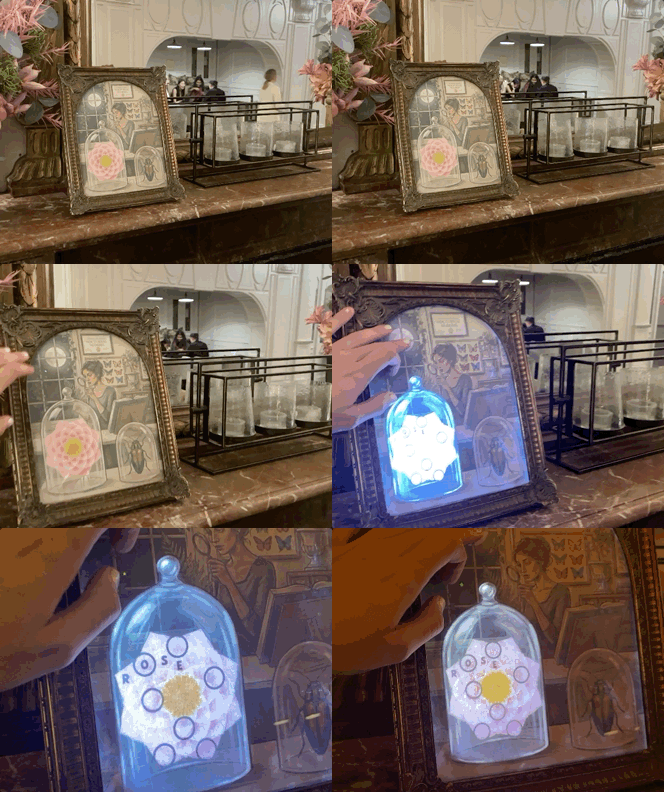
This is the moment we're most proud of. Further into the game, after players have already discovered the portrait, they're told to return and interact with it in a specific way. "Touch the moon." When they do, they get a surprise.
Light projects through the transparency layer, illuminating details that weren't visible before: book titles along a spine, a message written in the shading of the background. The painting comes to life.
And players who had walked past it three times suddenly understand that the Hunt was happening all around them, and that rewards were aplenty.
The Fabrication Process: How We Built the Interactive Portraits
No store was selling “custom interactive Celtic themed portraits of specific characters”. (You can’t just buy these). So we make them ourselves. It's way more fun that way anyway. 😃
Over the course of about three weeks, we put in focused fabrication time spanning multiple disciplines.
1. Frames First
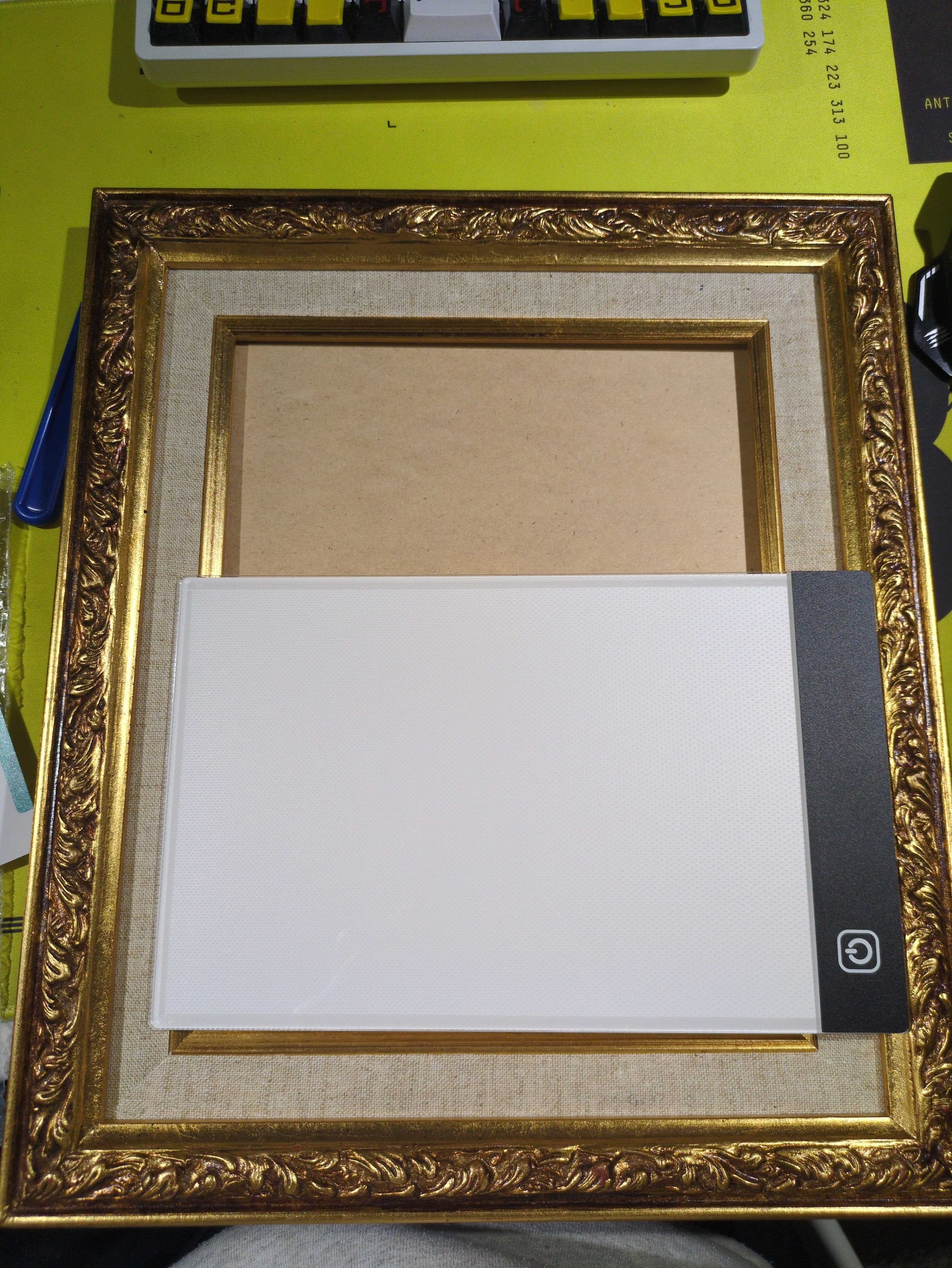
The physical frame creates the constraints for everything else. We sourced frames that were large enough to be substantive, architecturally interesting, and aesthetically right for a Celtic castle. The frames came first because everything else (the hardware, the art, the electronics) had to fit inside them.
2. Art by Committee
The art creation process was collaborative in a way that mirrors how we work on everything: a team of people contributed at different layers.
First, Glenn set up constraints for ‘no go’ zones - areas we could not light up due to the hardware physicality. Glenn also suggested that each portrait light up in different areas so that each portrait felt distinct. Then, Sam started by generating rough concepts.
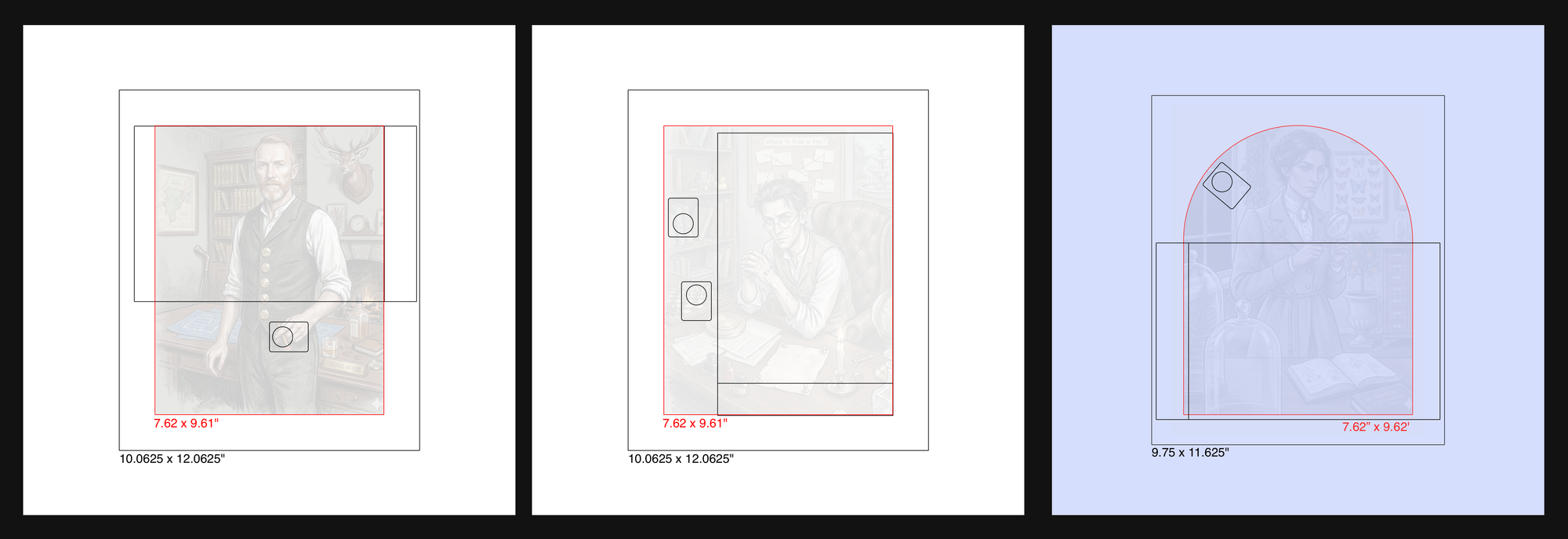
Gabe took those and worked the puzzle mechanics and clues into the art itself! The bookshelf behind the Colonel needed spines that could carry text, for example, which meant designing the art and the Hunt content together, not sequentially.
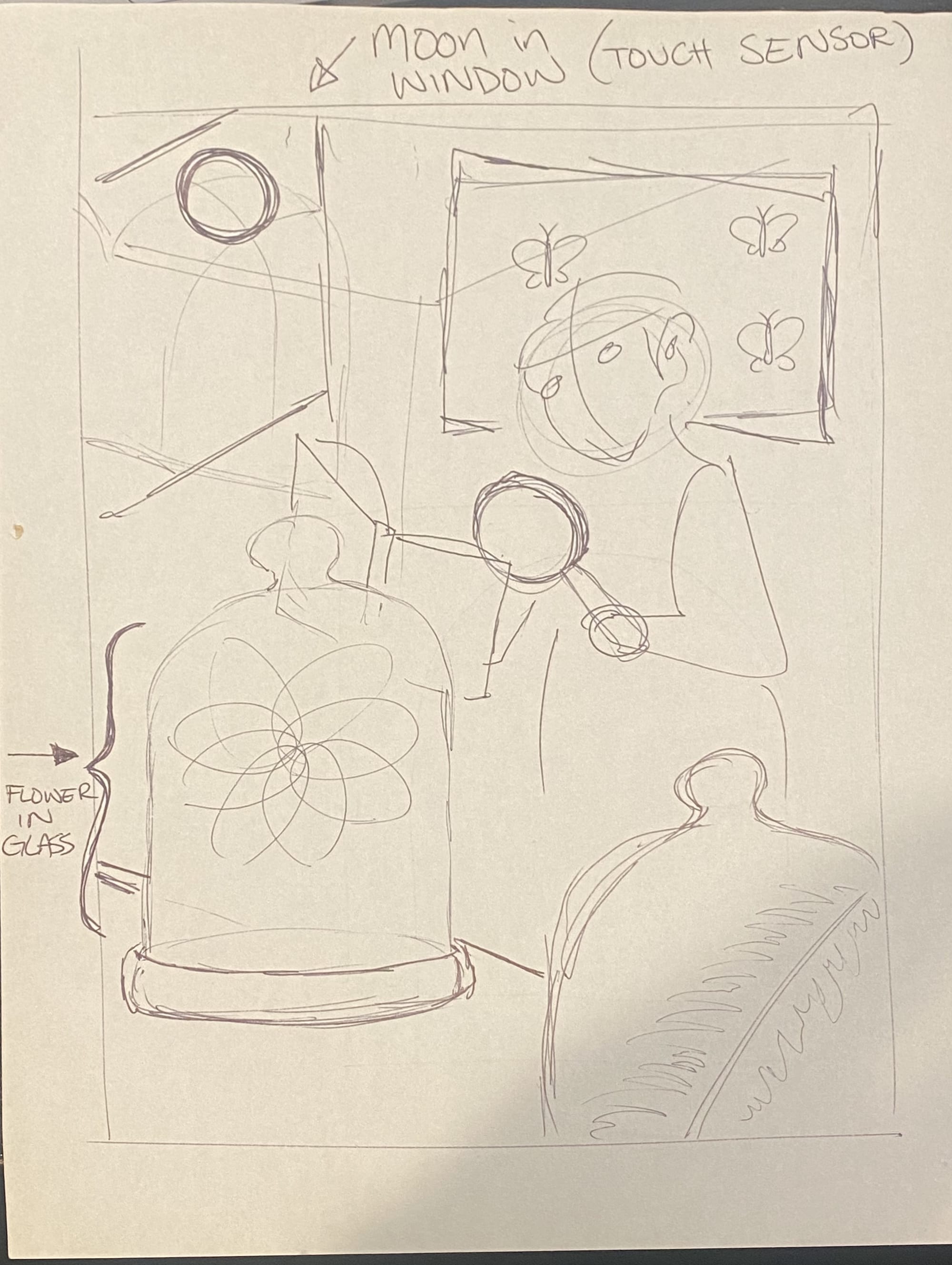
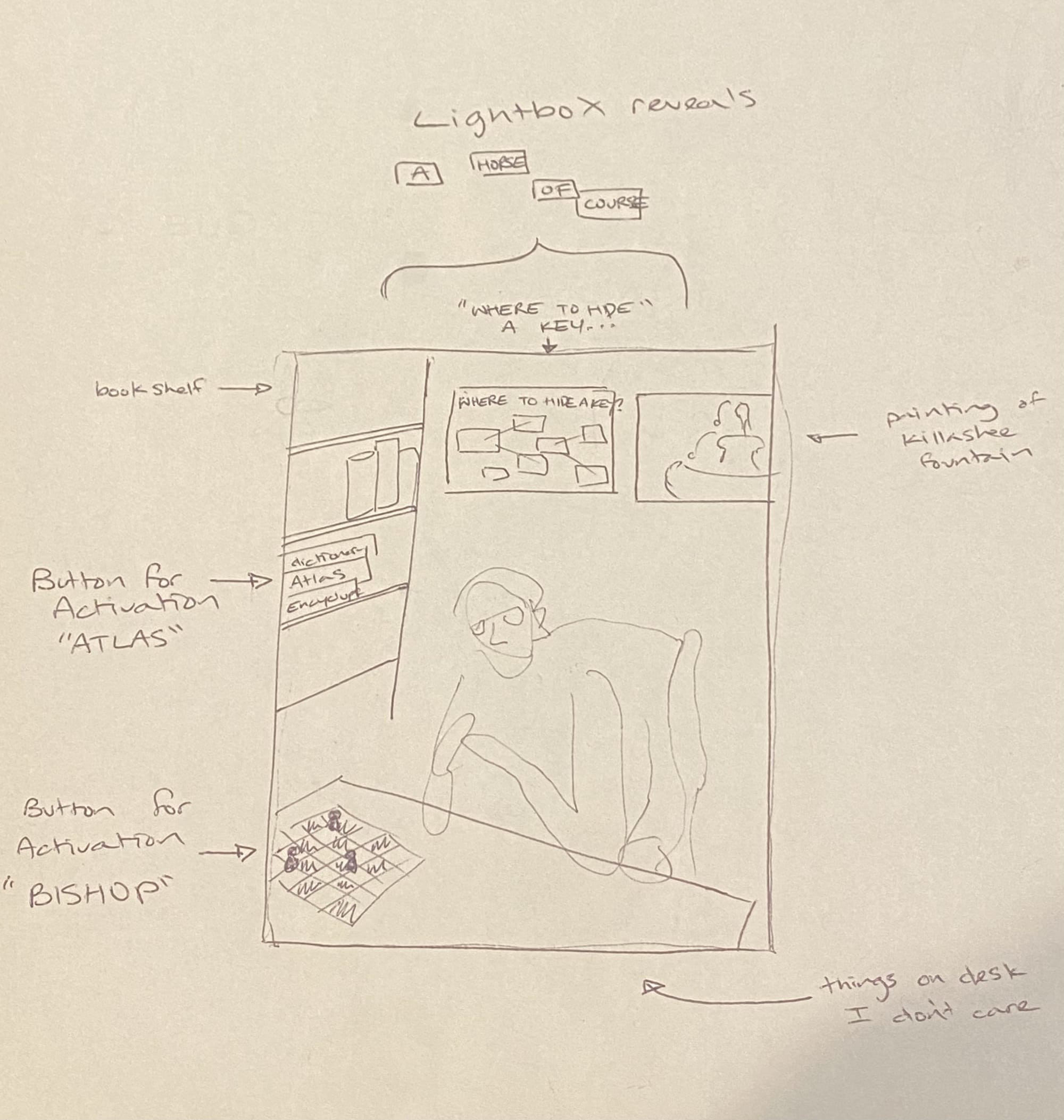
Gabe took those and worked the puzzle mechanics and clues into the art itself. The bookshelf behind the Colonel needed spines that could carry text, for example, which meant designing the art and the Hunt content together, not sequentially.
Sam then created visuals of the mockups using Gemini. Alex, our design wizard, came in last for the UI pass: polishing details that we didn't have the skills to render cleanly, lightening the book spines so the projection would read clearly, and designing the transparency layer where the puzzle-critical information would be printed.
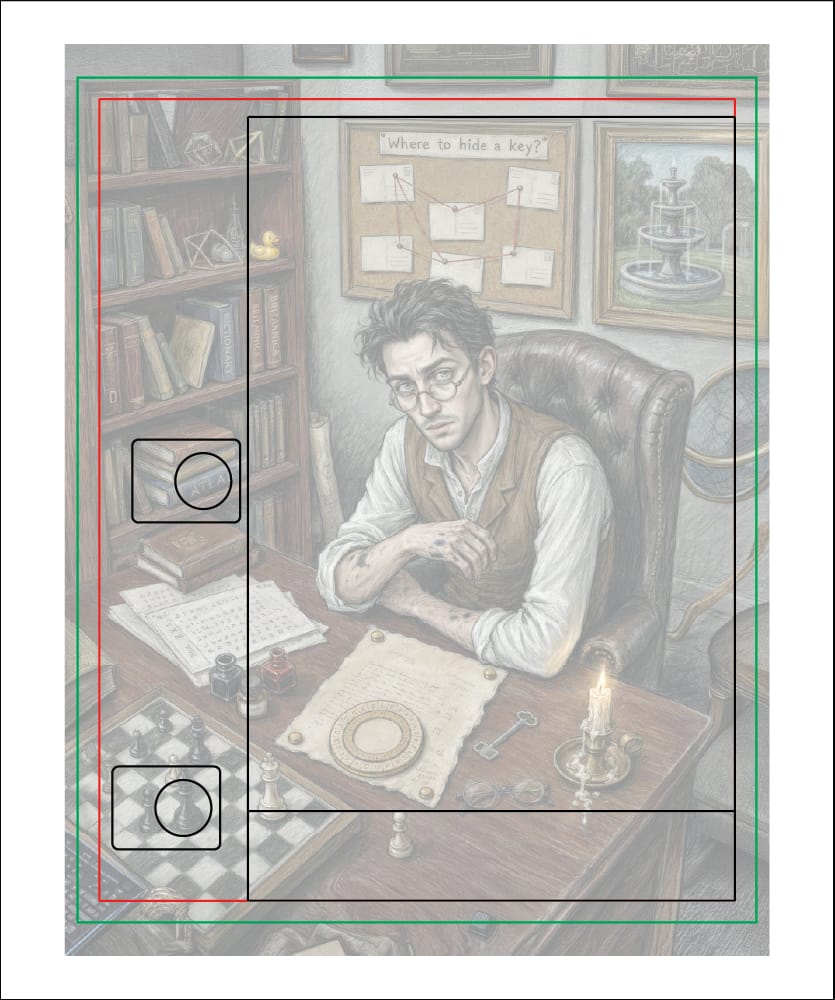
Gabe also embedded fun location-specific easter eggs that players who were paying close attention would recognize. For example, a fountain from the Killashee grounds appeared in the background of one portrait – a treat for the most observant players.
These were the finished results!
The Colonel, the Botanist, and the Cryptographer.
3. The Hardware Stack
Under the art is a layered assembly: a tracing light board, a transparency printed with the hidden information, and the art itself on top. When the light board activates, it projects through the transparency, illuminating the hidden layer that's otherwise invisible.
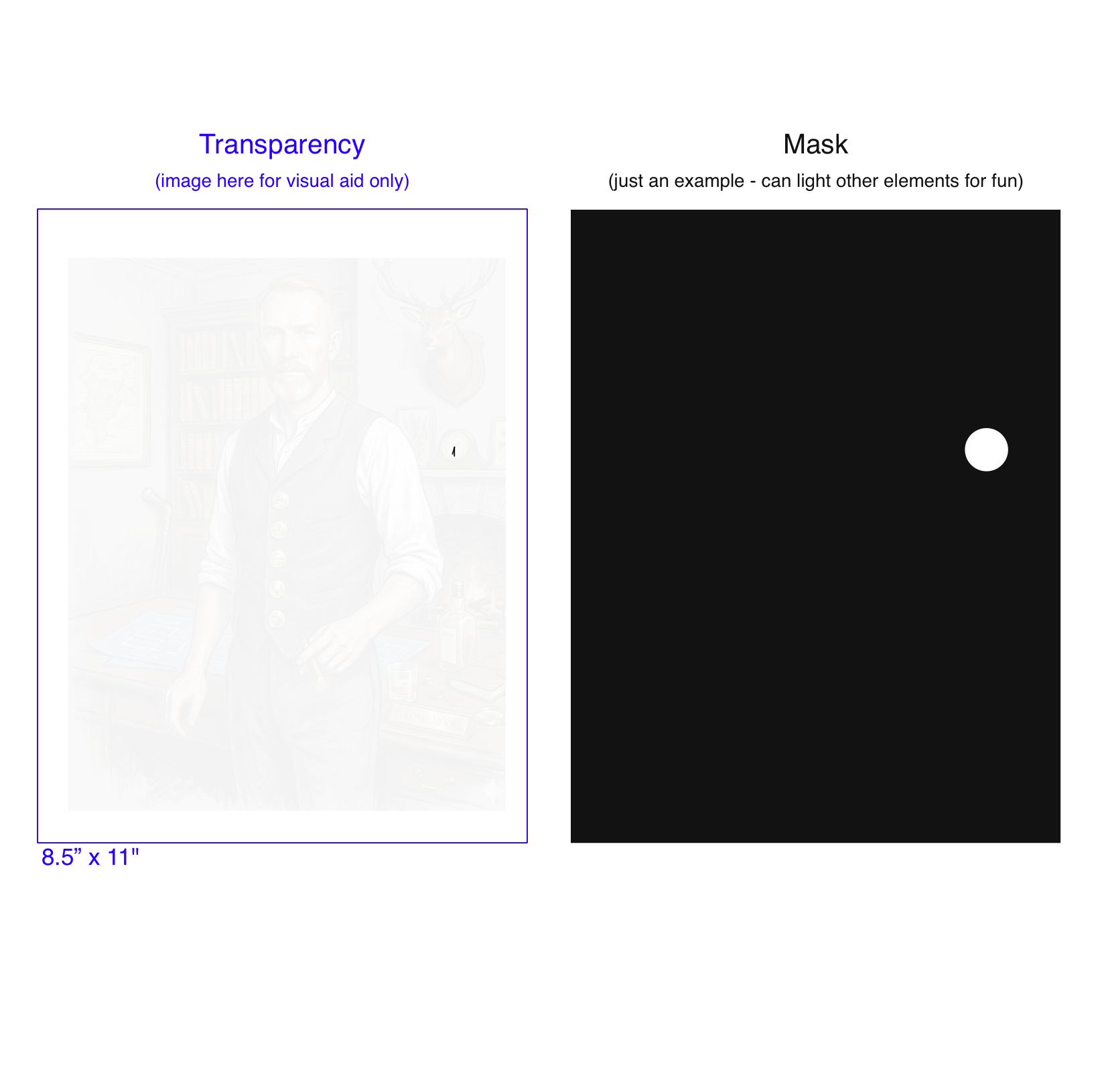
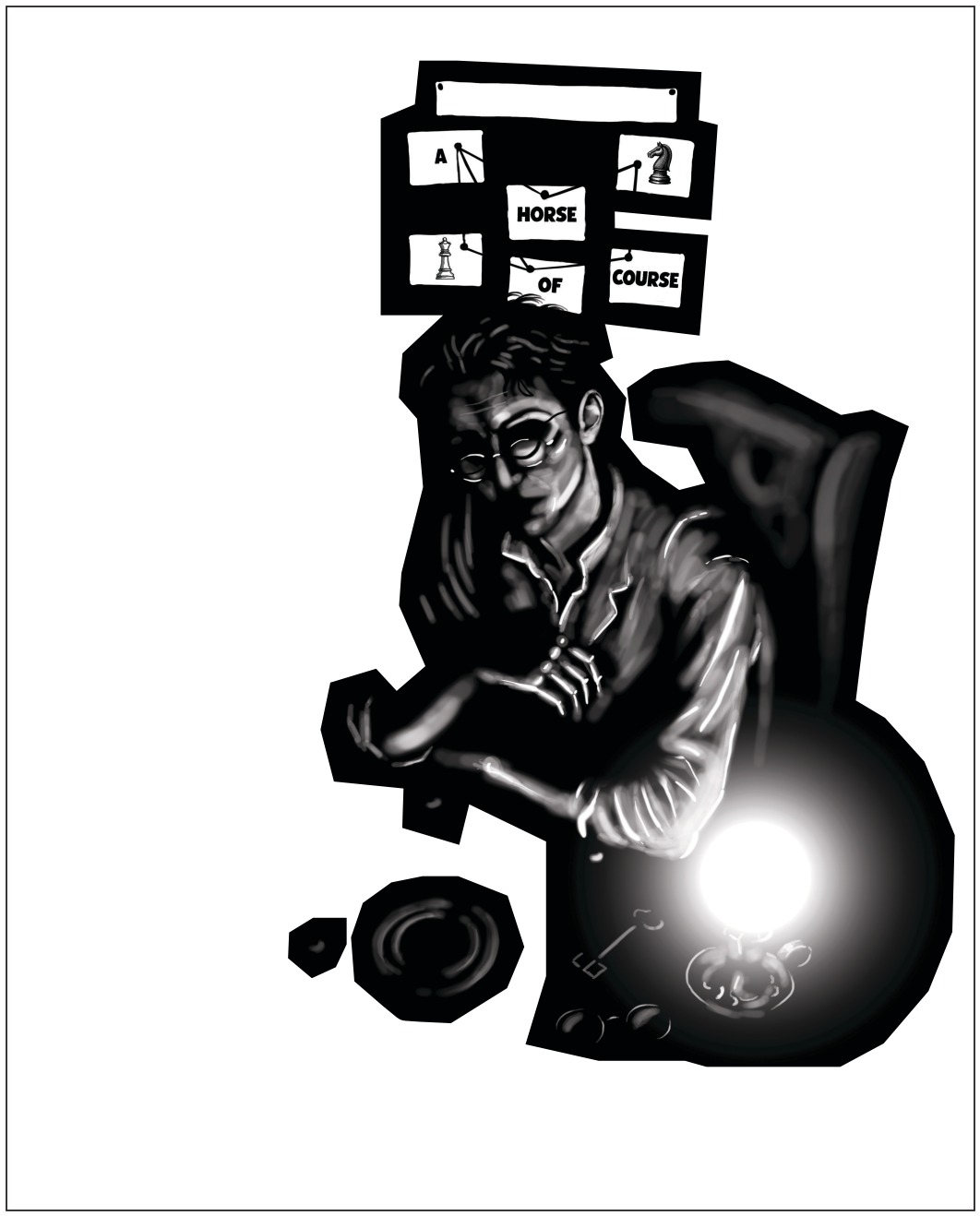
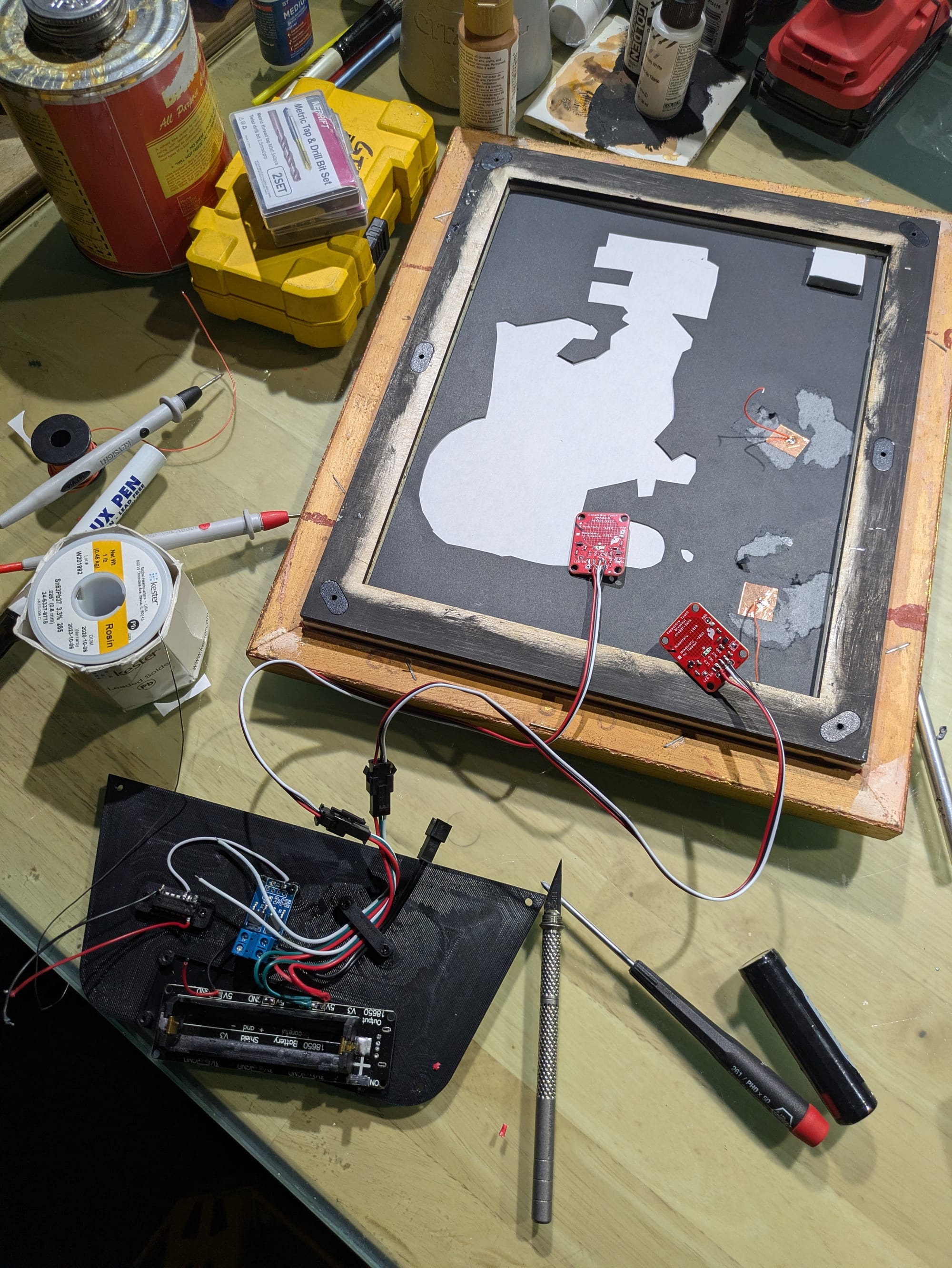
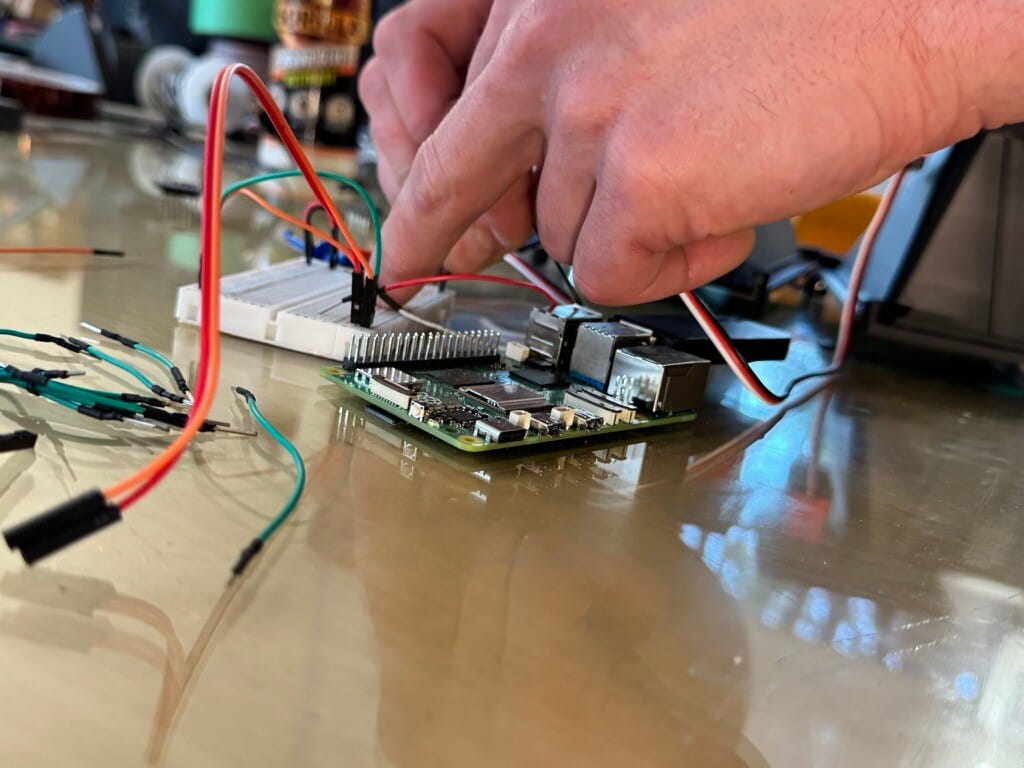
The activation is controlled by an ESP32 microcontroller and capacitive touch sensors mounted to the back. When a player touches the designated spot on the portrait, the ESP32 detects the contact and powers the light board. The response happens immediately.
4. The Enclosure
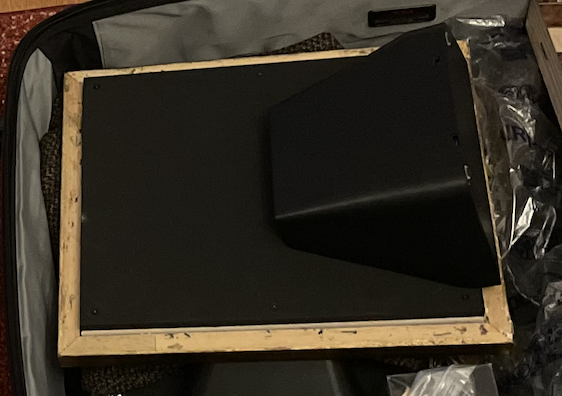
We needed these to be portable and self-contained: no outlets, no cables running along castle walls. We designed and 3D-printed a custom enclosure for the back of each portrait that housed all the electronics and a battery large enough to last through the full event week. The enclosure also had to be invisible from the front, which meant it needed to look as intentional as the portrait itself.
The portrait stands ended up looking like so.
What We'd Do Again
Every fabrication project teaches us something. This one reinforced a few things we already believed.
Design for the layered experience
If a prop is only valuable for players who are actively searching, we've lost some of the magic. The portraits were created to be beautiful art in their own right, a concept we'll always design for. They blend in for the wandering person and reward the player who stops to look. That contrast is what makes the payoff land even harder later.
Build the Hunt and prop together, not sequentially
The art for each portrait couldn't be finalized until we knew which puzzle it was a part of solving. The puzzle couldn't be finalized until we knew what the portrait could display. That kind of co-design is slower in the short term but better in every other way.
Add the hidden detail
Players who spotted the real-life easter eggs in the background didn't get extra points. They just got a feeling: that whoever built this knew exactly where they were. A "wait, I've seen that before!" is what makes an experience feel like it was made for you.
What's Next?
This is the kind of detail work that goes into every Handstand experience: props, puzzles, and game mechanics built specifically for your team. See more of what we've built for other companies on our case studies page.
If you're planning something and want it to feel like what we've been describing, let's talk.
Reach out today.
Frequently asked questions
What are the interactive portraits featured in Handstand's events?
They're custom-built props that started with The Jazz Heist, Handstand's original in-office escape room, and have shown up in builds since, including Journey to Jidara and a recent Invitation Only experience at Killashee Hotel in Ireland. Each portrait works on three layers: it blends into the room's décor, rewards close inspection with hidden details, and lights up with a hidden message when guests touch it.
How does the touch-activated lighting actually work?
Each portrait is built from a light board, a printed transparency layer holding the hidden message, and the artwork itself, all wired to an ESP32 microcontroller with capacitive touch sensors. Touching the designated spot on the frame triggers the light to shine through the transparency, so text or imagery that was invisible a second earlier suddenly appears. Everything, including the battery, is housed in a custom 3D-printed enclosure so there are no visible cables.
How long does it take to build custom props like these?
About three weeks per portrait, moving through four phases: designing the frame first since it constrains everything else, a collaborative art and puzzle-mechanics pass across the team, wiring the hardware stack, and building the enclosure. Custom fabrication like this is part of why we recommend booking a fully custom event well ahead of your date.
Can Handstand build custom props for our event?
Yes. Interactive portraits are one example of the kind of prop Handstand designs and fabricates in-house for Bespoke Experiences, fully custom events built from scratch around your theme, venue, and story. Share what you have in mind and we'll tell you what's possible.
How much does a custom, prop-driven experience cost?
It's quote-based rather than a fixed price, since custom fabrication like this varies a lot in scope. Standard Handstand Hunts start at $1,500 for up to 30 players; a fully custom build with original props is priced around your group size, venue, and how much design and fabrication it needs. Our cost guide covers what moves the number, and you can get a quote with your specifics.
How far in advance should we book a fully custom event with custom props?
Plan for at least 2 months for a fully custom event, especially for 200 or more attendees. Builds like the interactive portraits need real time for design, fabrication, and testing before they ever reach a room, so the earlier we're looped in, the more ambitious we can get together.



